

Every Easter, pilgrims from around the world journey to Rome to celebrate the Resurrection at the heart of the Catholic Church. For Easter 2026, Inside the Vatican Pilgrimages invites pilgrims on a remarkable journey not only to Rome, but also to two extraordinary sacred sites in Italy: the Eucharistic Miracle of Lanciano and the Shrine of the Holy Face in Manoppello. This pilgrimage offers a unique opportunity to encounter the mystery of the Eucharist and the face of Christ in places that have inspired faith for centuries.
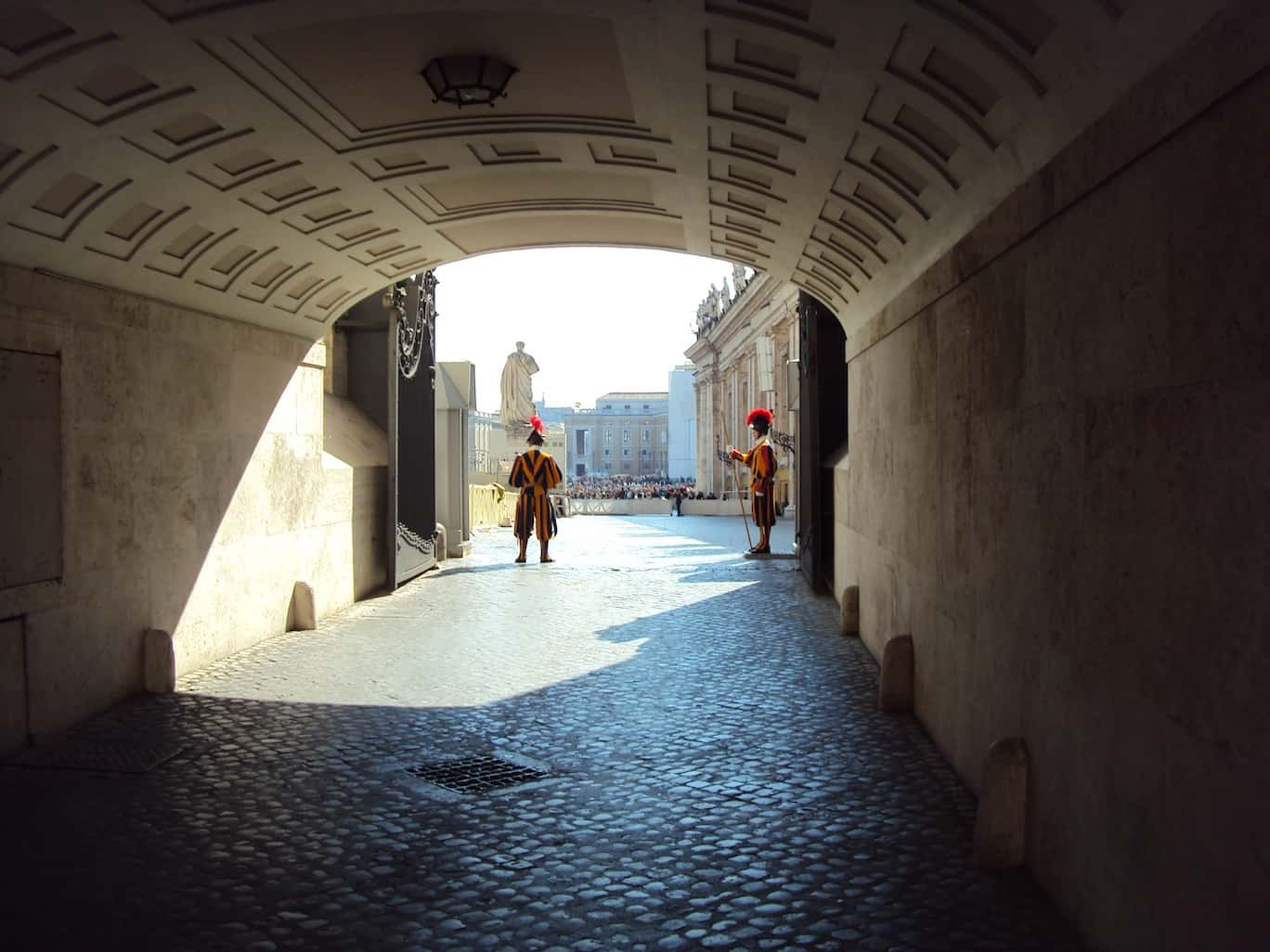
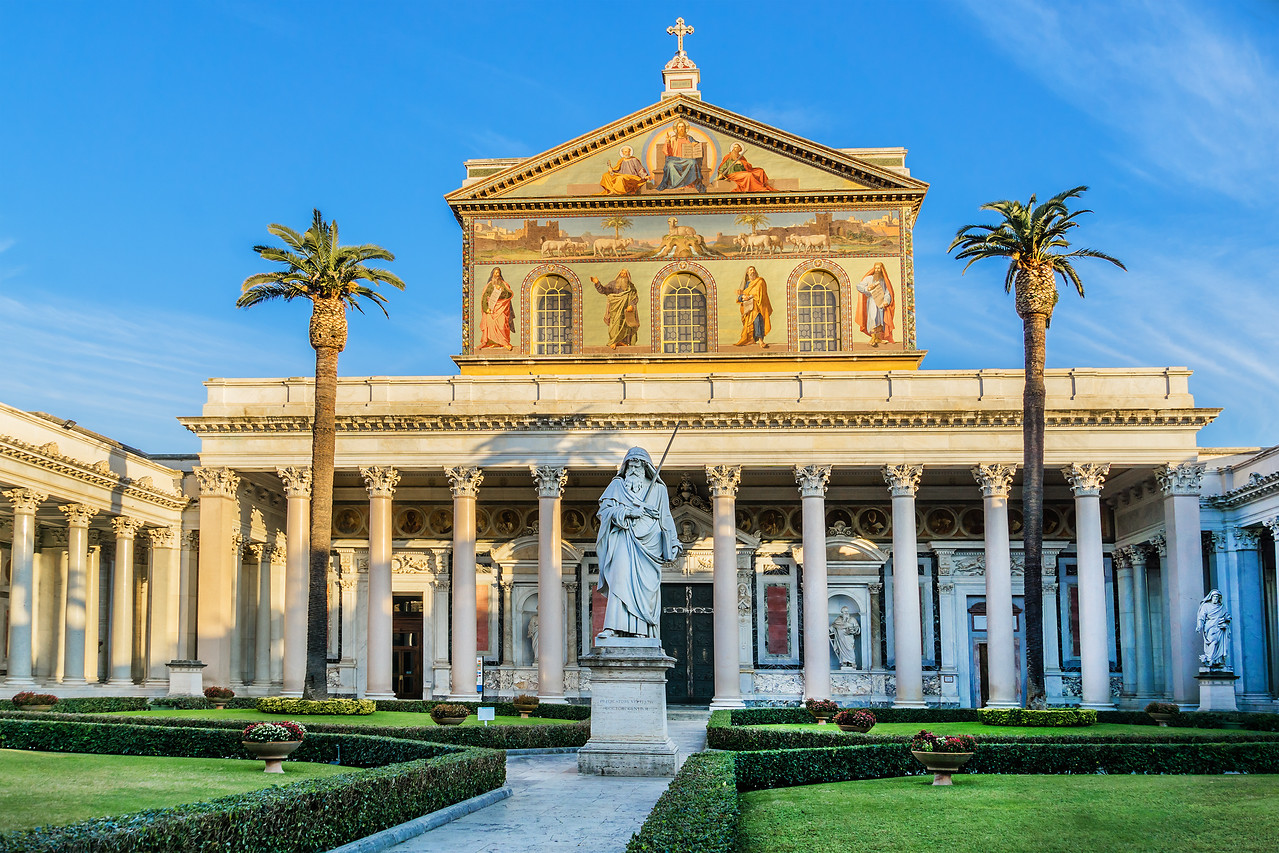
Pilgrims stay in Rome, where nearly two thousand years of Christian history surround you at every turn. Early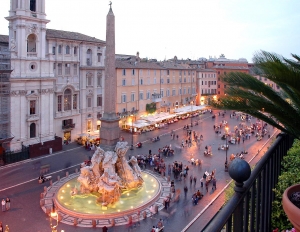 Morning sunlight glows against ancient stone, priests and religious pass quietly through piazzas, and the air fills with anticipation as thousands gather for the Easter liturgies.
Standing among the faithful in St. Peter’s Basilica during Easter week is an unforgettable experience. Incense rises beneath Michelangelo’s dome, choirs echo through the vast sanctuary, and pilgrims from every nation unite in prayer. Walking the same streets where saints, popes, and martyrs once walked reminds visitors that the story of the Church is alive.
Yet this pilgrimage also invites participants to journey beyond Rome—to places where God’s presence has manifested in extraordinary ways.
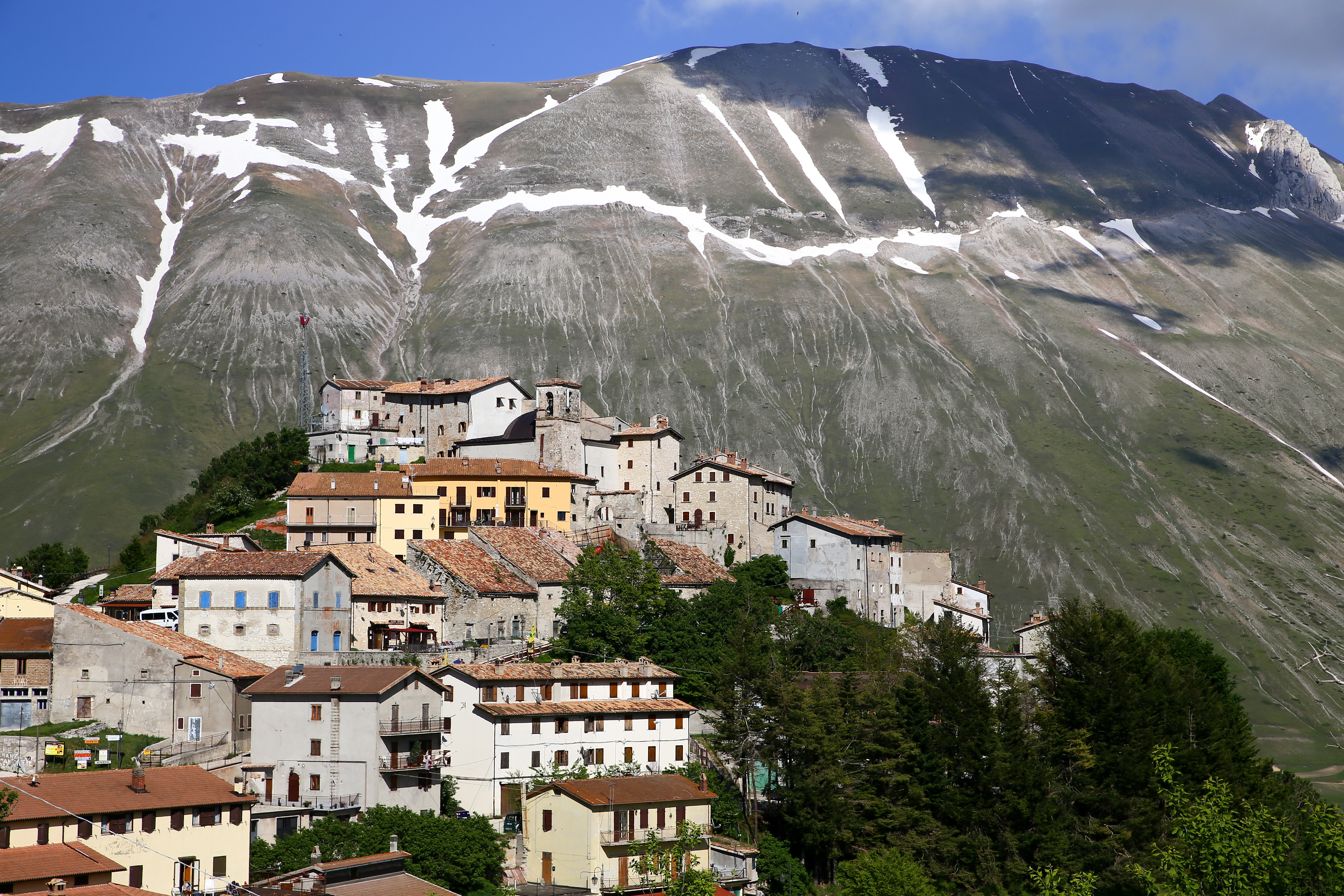
Nestled in the gentle hills of the Abruzzo region lies the small medieval town of Lanciano. Quiet streets, stone houses, and sweeping views of the Italian countryside create an atmosphere of deep peace. But within this tranquil town stands one of the most astonishing miracles in Christian history.
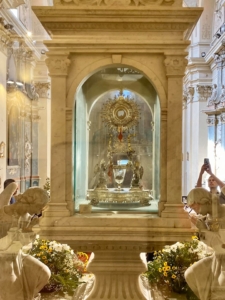 The Eucharistic Miracle of Lanciano dates to the 8th century. According to tradition, a Basilian monk, struggling with doubts about the Real Presence, celebrated Mass in the church now known as the Church of St. Francis. During the consecration, the host visibly transformed into living flesh and the wine into blood.
Today, pilgrims stand only a few feet away from the relics preserved in a glass monstrance. The flesh, scientifically identified as human heart tissue, remains intact after more than twelve centuries. The five clots of blood sit beneath it in a crystal chalice.
Entering the sanctuary, visitors often describe a moment of silence that falls naturally over the room. The miracle is small in size, yet immense in meaning. For many pilgrims, this is the moment when the mystery of the Eucharist becomes profoundly tangible.
The experience is deeply moving: kneeling in prayer before the miracle, hearing the story from the Franciscan guardians, and celebrating Mass in the very place where doubt turned into faith.
Another hidden treasure of Abruzzo awaits in the small mountain town of Manoppello.
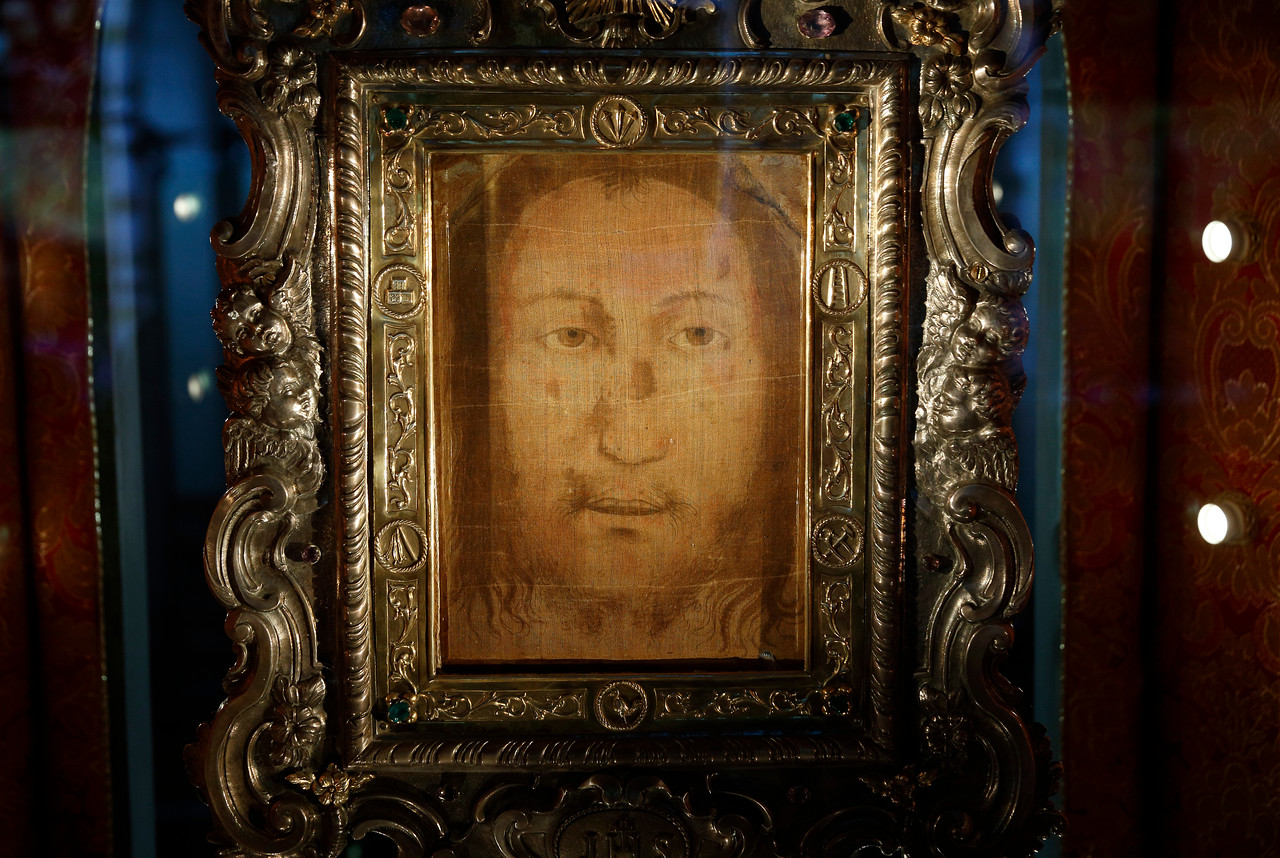
Here stands the serene Shrine of the Holy Face of Manoppello, home to a delicate and mysterious image believed to be the veil that covered Christ’s face in the tomb.
Unlike painted icons, the image on the veil is not made with pigments. The translucent cloth—woven from rare sea silk—reveals the face of a man with open eyes, visible from both sides of the fabric. Scientists and historians
continue to study the image, yet its origin remains unexplained.
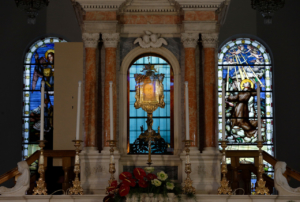
As pilgrims enter the shrine, the atmosphere is intimate and contemplative. Soft light filters through the sanctuary. The veil is displayed in a reliquary above the altar, and as visitors approach, the face seems almost alive—serene, suffering, yet radiant.
Many who pray before the Holy Face describe a personal encounter. The eyes of Christ appear to follow you, inviting reflection on the Resurrection and the victory of life over death.
It is a quiet place, far from crowds, where pilgrims often spend long moments in prayer.
The journey with Inside the Vatican Pilgrimages is designed not only to visit holy places but to understand them deeply. Along the way, pilgrims hear the history, theology, and spiritual meaning behind each site.
From the grandeur of Rome to the quiet sanctuaries of Lanciano and Manoppello, every stop invites reflection on the central mystery of the Christian faith: the living presence of Christ.
At Easter—when the Church celebrates the Resurrection—these sacred places speak with particular power.
The flesh of Lanciano reminds pilgrims of Christ’s true presence in the Eucharist.
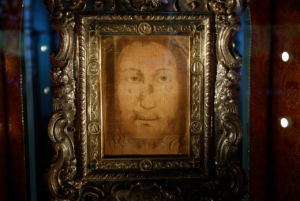
The Holy Face of Manoppello reminds them of the risen Lord who conquered death.
Together, they form a pilgrimage unlike any other.
Easter 2026 offers a rare opportunity to experience Italy not just as a traveler, but as a pilgrim. Imagine standing in St. Peter’s Square on Easter morning, praying before the Eucharistic miracle that stunned the world, and gazing upon the mysterious face believed to have seen the Resurrection.
These moments remain in the heart long after the journey ends.
And for many pilgrims, it becomes a turning point in faith.





Leave A Comment
You must be logged in to post a comment.