

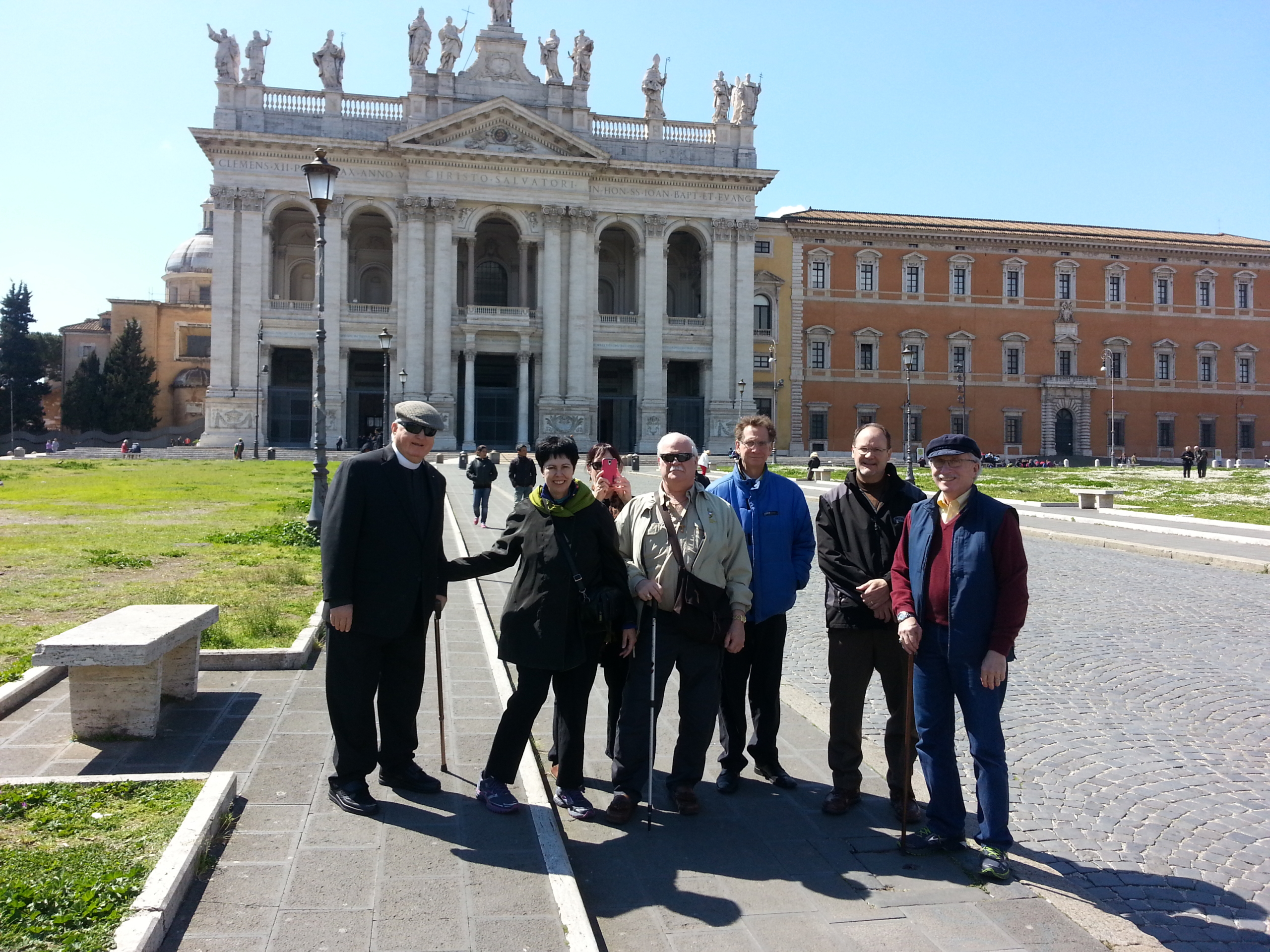
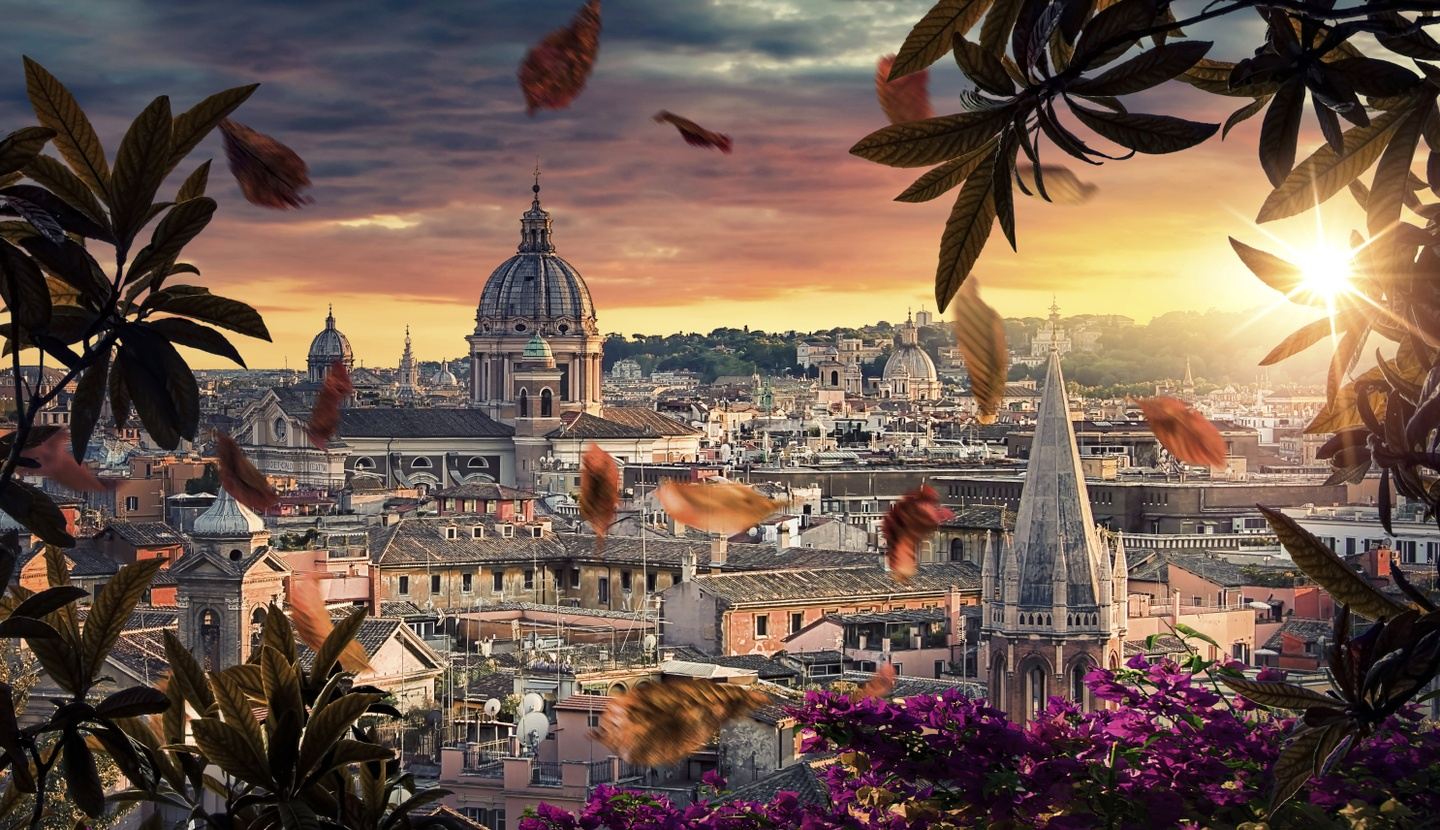
Before dawn, Rome belongs to the pilgrims.
The streets are still wet from the night’s rain. Delivery trucks rumble through narrow alleys while the scent of espresso drifts from tiny cafés opening their shutters for the morning. In the dim light, a small group of pilgrims gathers quietly outside, scarves wrapped tightly against the November chill, prayer books tucked beneath their arms.
Some have traveled thousands of miles for this moment. 
A grandmother from Minnesota who has dreamed of Rome since childhood. A young couple praying for guidance. A priest carrying the intentions of an entire parish back home.
Today they will not experience the Rome of postcards and souvenir shops.
Today they will walk into the Rome of pilgrims — ascending the Holy Steps, standing inside the Mother Church of Christianity, and entering the ancient baptistery where the first Christians once publicly chose Christ at great personal cost.
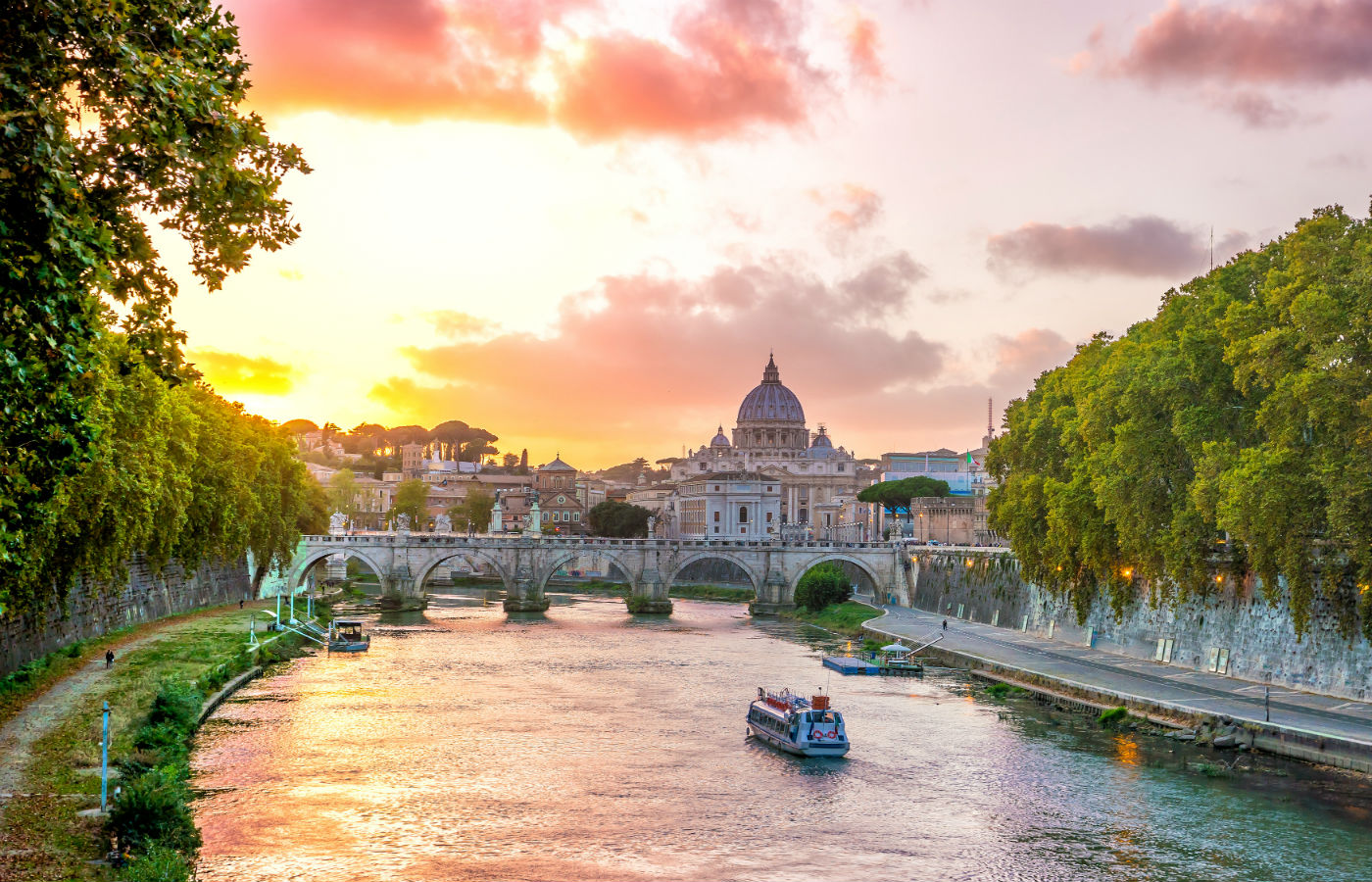
And by nightfall, as the dome of St. Peter’s Basilica rises above the city skyline, they will understand why pilgrims have journeyed here for nearly two thousand years.
By midmorning, the group arrives before the ancient walls surrounding Scala Sancta — the Holy Steps.
The city noise seems to soften here.
Inside, pilgrims instinctively lower their voices. Candles flicker against old marble. A woman from Ohio stares silently upward at the staircase Christ is believed to have climbed on the way to His trial before Pontius Pilate.
No one rushes.
One by one, pilgrims kneel.
The ascent begins slowly.

Knee after knee presses against worn wood covering the sacred marble beneath. Every step carries prayer: for children, for marriages, for healing, for forgiveness, for direction.
Halfway up, the room falls almost completely silent except for whispered Hail Marys spoken in half a dozen accents.
An elderly Italian woman pauses beside a young seminarian from Texas. Neither speaks the other’s language, yet both continue climbing together.
By the time pilgrims reach the chapel at the top, many are visibly emotional.
Not because they have seen something magnificent.
Because they have felt something ancient.
Outside again, Rome seems louder now. Scooters race past. Priests hurry through side streets. Church bells sound overhead.
Then the group crosses the piazza toward another towering giant of Christianity: Archbasilica of Saint John Lateran.
Most visitors to Rome never realize this is the Pope’s cathedral church — the Mother Church of the world.
The bronze doors open.
And suddenly the pilgrims are swallowed by light.
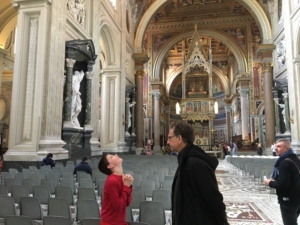
Sun pours through massive windows onto colossal statues of the Apostles lining the nave. The colorful marble floor gleams beneath centuries of footsteps. Somewhere in the distance, a priest quietly celebrates Mass.
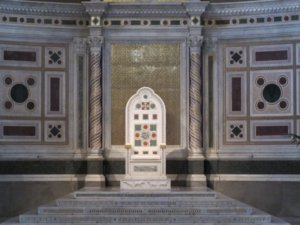
Pilgrims drift quietly through the basilica.
Some stop to light candles.
Others simply sit.
One man opens his Bible near the high altar while a young mother whispers explanations to her children about the Apostles towering above them. For many pilgrims, this is the moment Rome finally becomes real.
Not imperial Rome.
Christian Rome.
The Rome of martyrs, councils, saints, and believers who carried the faith across centuries of war, plague, and persecution.
At one point, the group gathers quietly before one of the basilica’s most moving treasures — the ancient wooden table long venerated by tradition as the table used by Christ and the Apostles at the Last Supper. The pilgrims lean closer as their guide speaks softly, the noise of the basilica fading into the background. A father from Boston instinctively places his hand on his son’s shoulder. A religious sister quietly wipes tears from her eyes. For a moment, the scene in the Upper Room no longer feels distant or symbolic. Pilgrims imagine Christ breaking bread, speaking the words of the Eucharist for the very first time, knowing His Passion was only hours away.
By late afternoon, the group slips almost unnoticed beside the basilica into one of Rome’s hidden treasures: the Lateran Baptistery.
The atmosphere changes immediately.
Quiet.
Stillness.
Ancient stone.
Unlike the grandeur of St. John Lateran, the baptistery feels deeply personal.
This is where early Christians once entered the waters of baptism — where converts publicly chose Christ in an empire that often persecuted them for doing so.
A priest traveling with Inside the Vatican Pilgrimages once gathered pilgrims here and asked a simple question:
“What did your baptism cost you?”
The room fell silent.
For the first Christians baptized here, the answer could have been everything.
For one pilgrim, this was the first time she had been back in the Lateran baptistry since her own baptism here, many years ago.
As evening settles over the Eternal City, the pilgrims walk back through Rome together.
The glow of the dome of St. Peter’s Basilica grows stronger as they get closer.
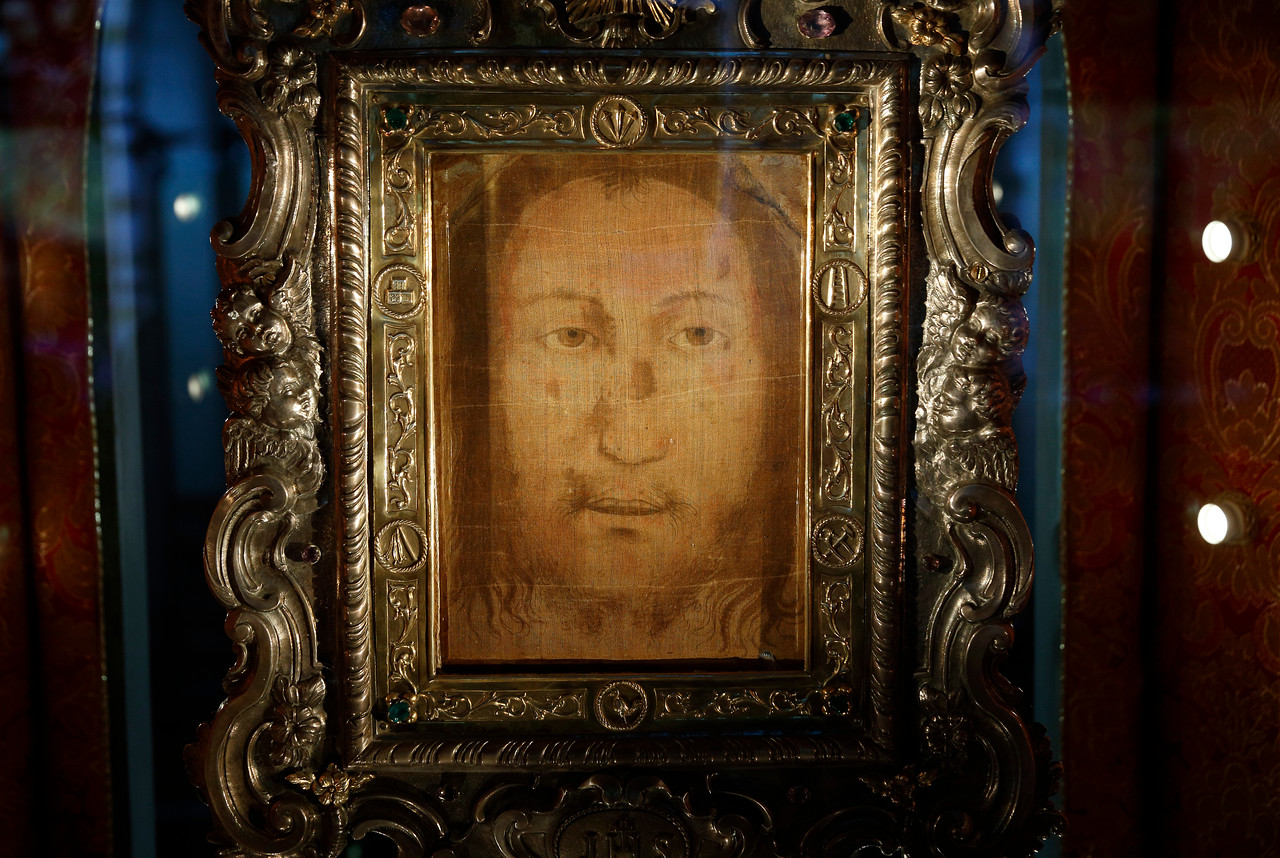
This November 2026, pilgrims from around the world will once again walk these sacred paths during the “Journey Toward the Face of Christ” with Inside the Vatican Pilgrimages.
Spaces for this special pilgrimage are already filling quickly.
Reserve your place now — and come experience Rome not as a tourist, but as a pilgrim.



Leave A Comment
You must be logged in to post a comment.